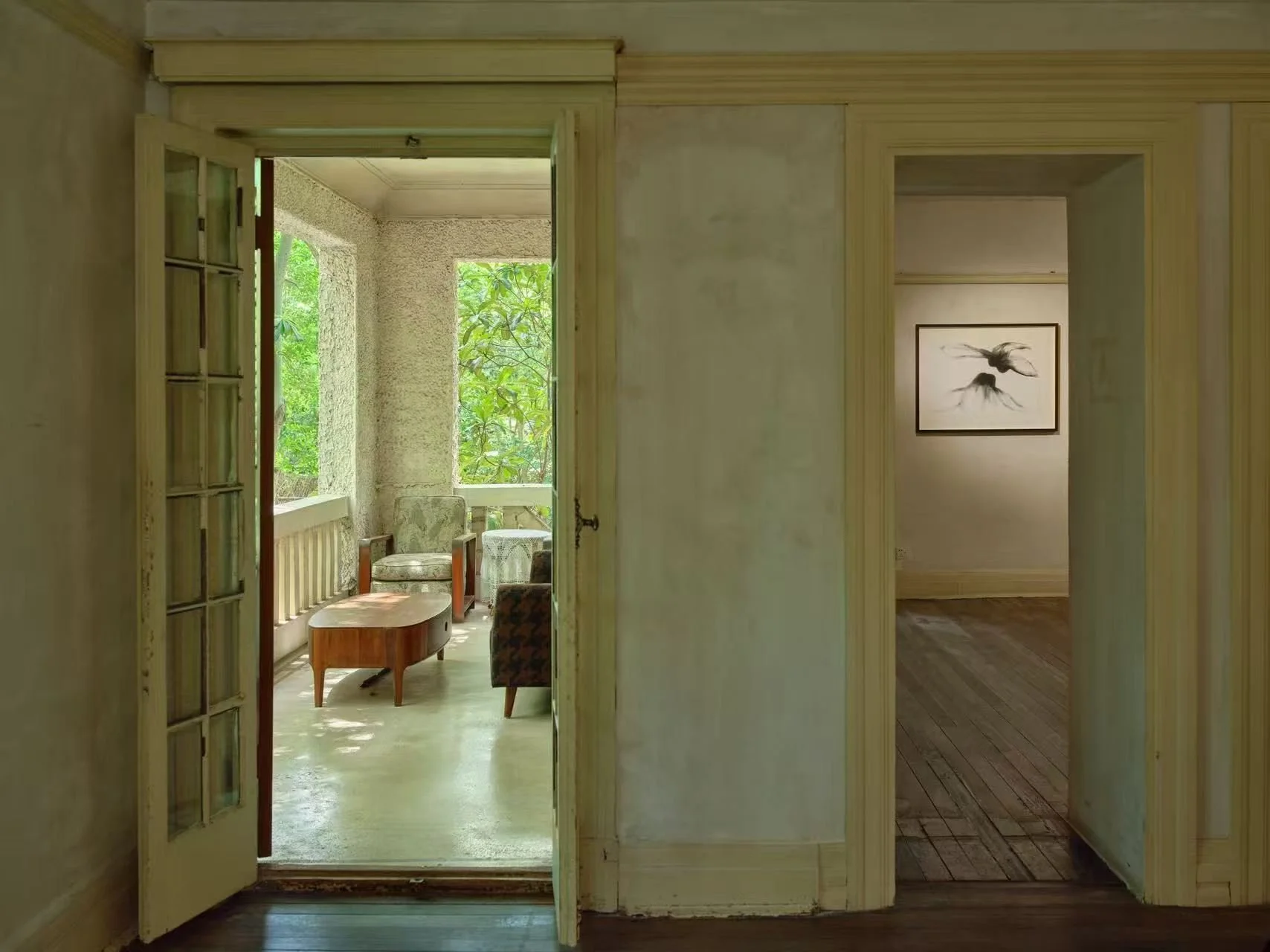
/Exhibition/
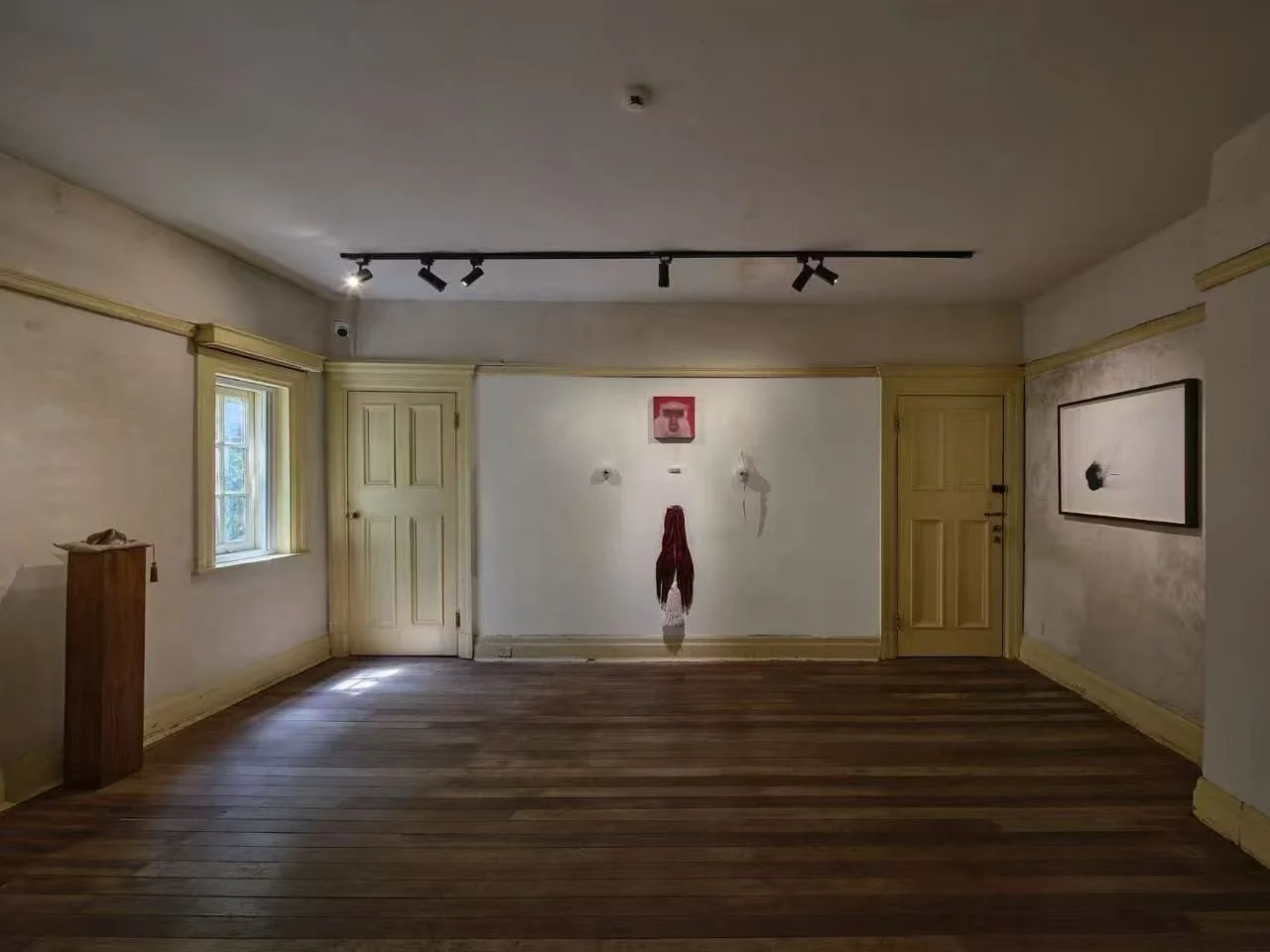
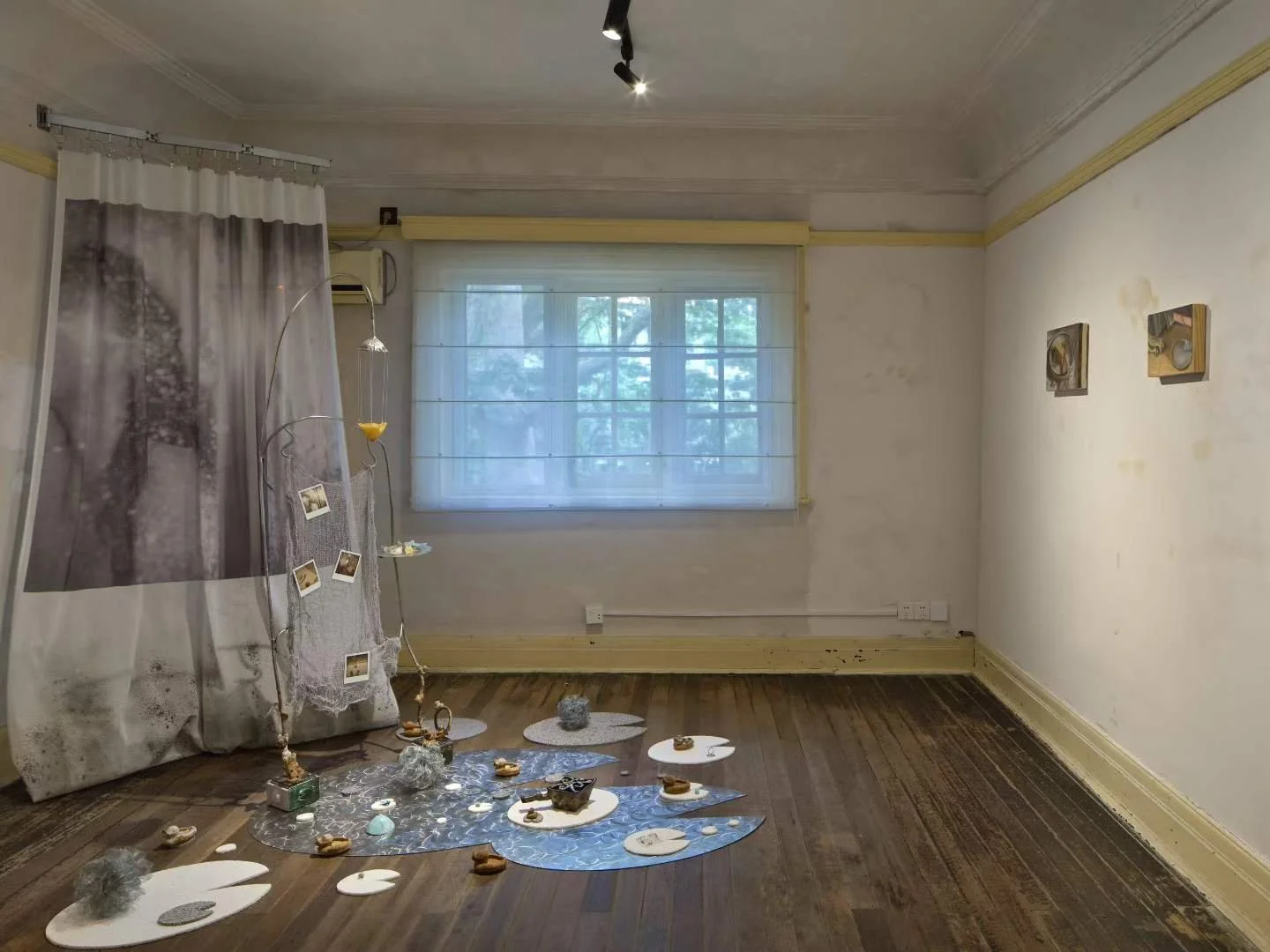
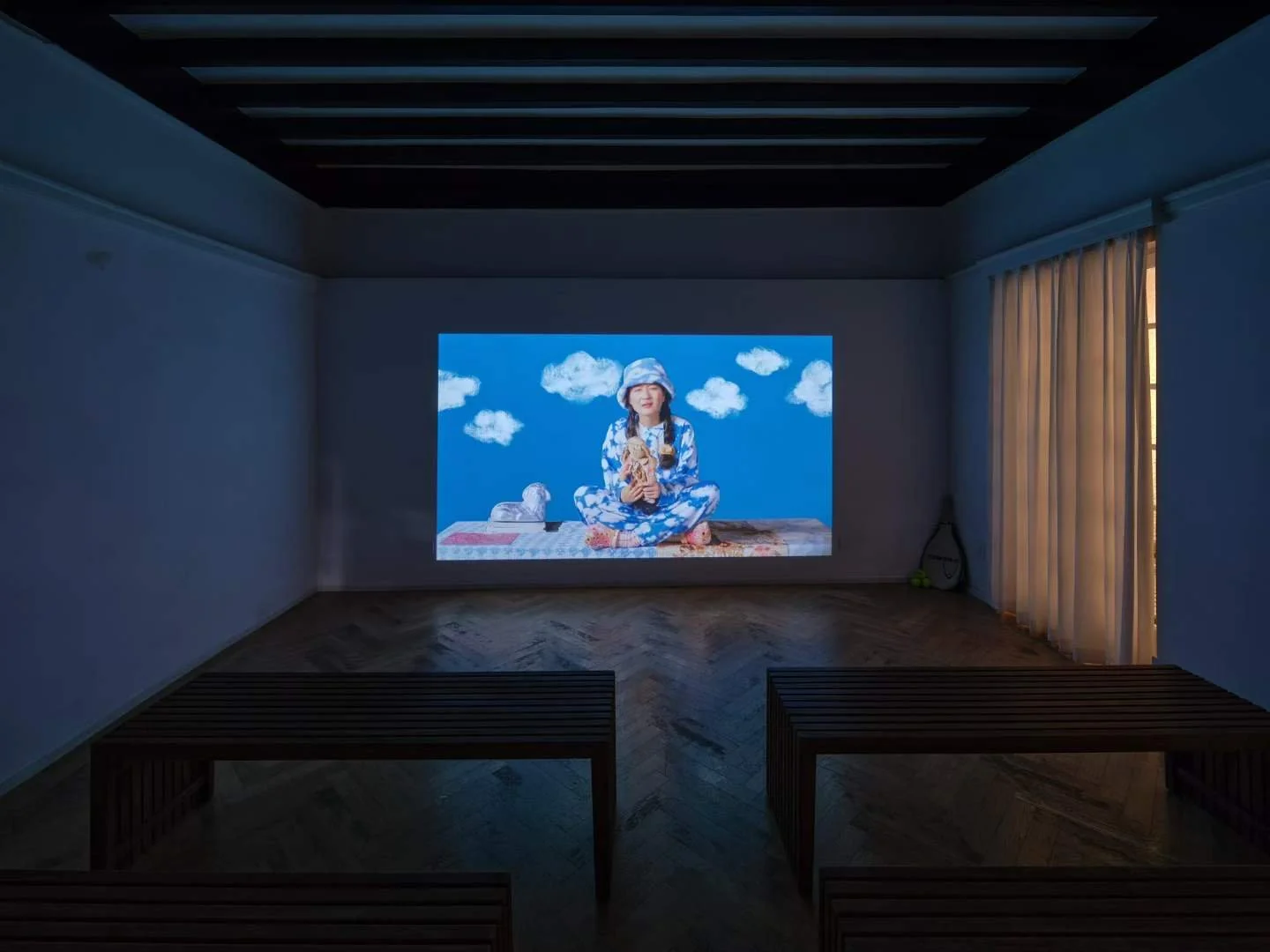
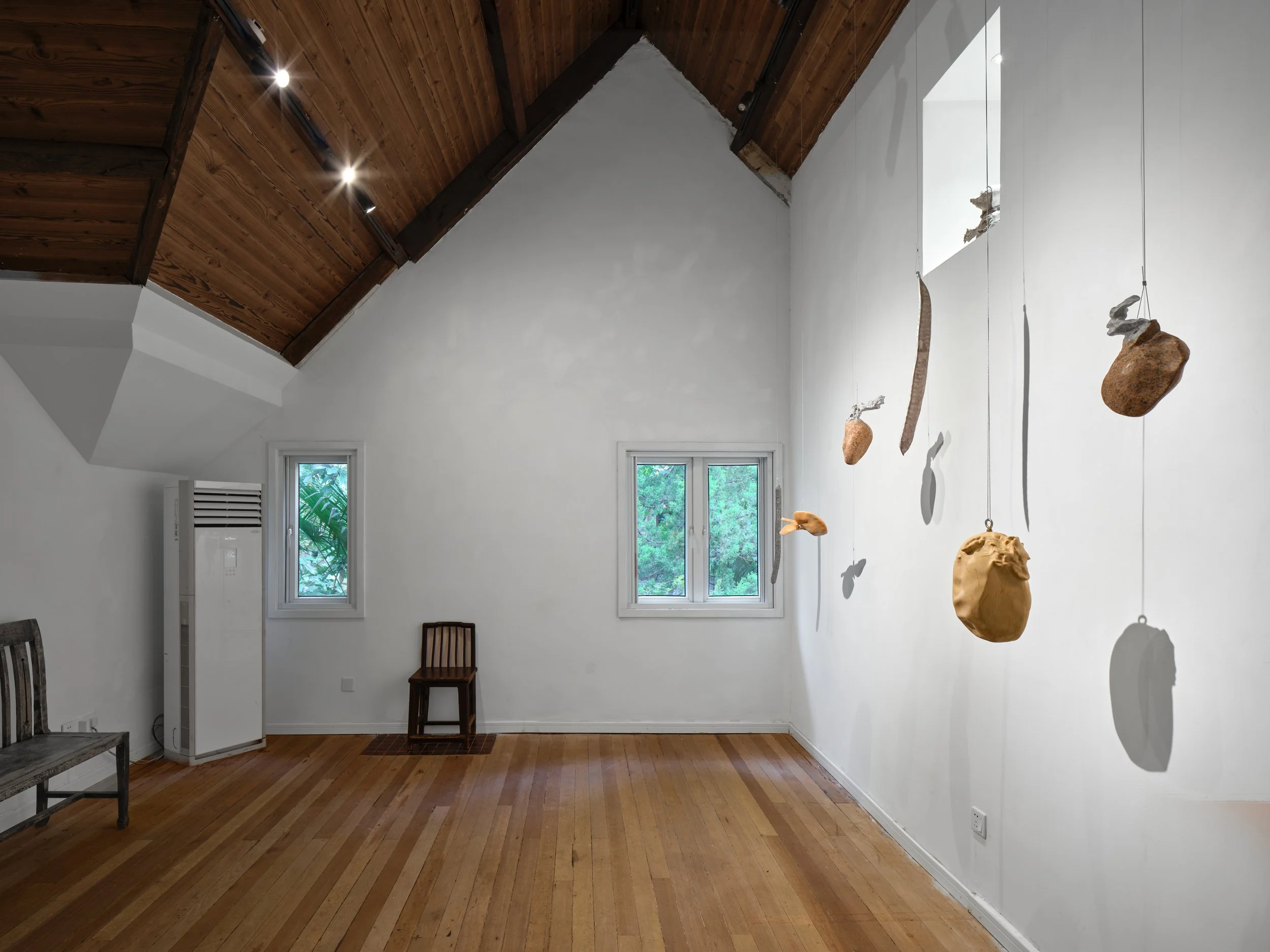
After Throwing
Role: Curator
Artists: Sherly Fan, Yuqian He, Shengjie Jiang, Yunbo Jia, Joy Li, Angela Lyn, Xiangjie Rebecca Wu, Yibei Zhang
Time: 2026/8/29-2026/10/7
Address: E.SCAPE Art Space, No.3, Lane 40, Wukang Road, Shanghai
The body is our earliest dwelling, and also the first place where power leaves its traces. Rather than understanding “home” as a fixed space, we might see it as a habit gradually sedimented into the body: the Latin word habitus refers to condition, posture, appearance, and clothing, while its related term habitāre means to dwell or inhabit. When “dwelling” becomes “habit,” home no longer exists only within walls; it enters muscles, gazes, footsteps, and hesitation, becoming a way through which the body comes to understand itself. What is called “like a girl” is precisely what is repeatedly inscribed into the body through such everyday orders.
In Iris Marion Young’s Throwing Like a Girl, a phenomenological analysis reveals how male domination is inscribed into the female body, further reshaping how women act, perceive, and occupy space. In the process of growing up, women learn to contract themselves: movements become cautious, the body becomes hesitant, and one is more likely to see oneself as an object to be viewed rather than as an active medium through which to engage the world. As a result, women often fall into a split condition: both acting subjects and beings constantly burdened by the awareness of being objectified under the gaze. Looking further, this form of discipline does not only operate through movement or posture; it also permeates experiences of pregnancy, menstruation, breasts, clothing, and the domestic sphere. Through gendered divisions of labor, cultural norms, and institutional arrangements, social structures continuously shape women’s bodily experience, emotional expression, and spatial positioning. The theory further extends to the condition of old age, reminding us that care does not naturally equate to respect. Under the name of protection, it may also compromise privacy and autonomy. What it ultimately calls into question is how to dismantle this long-operating, implicit form of power acting upon the body, and how to reclaim bodily subjectivity for women and the elderly alike, along with the dignity, space, and rights that accompany it.
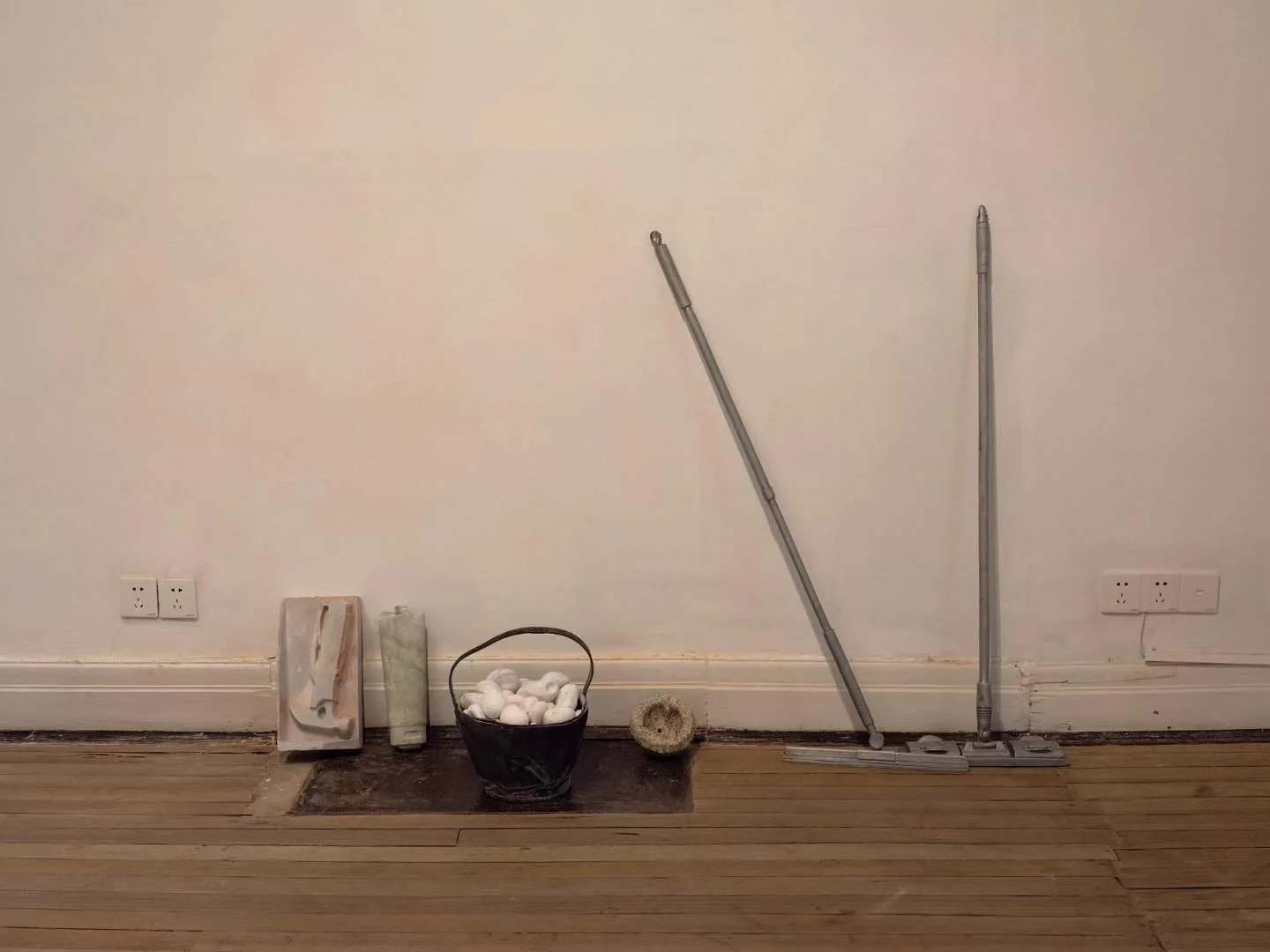
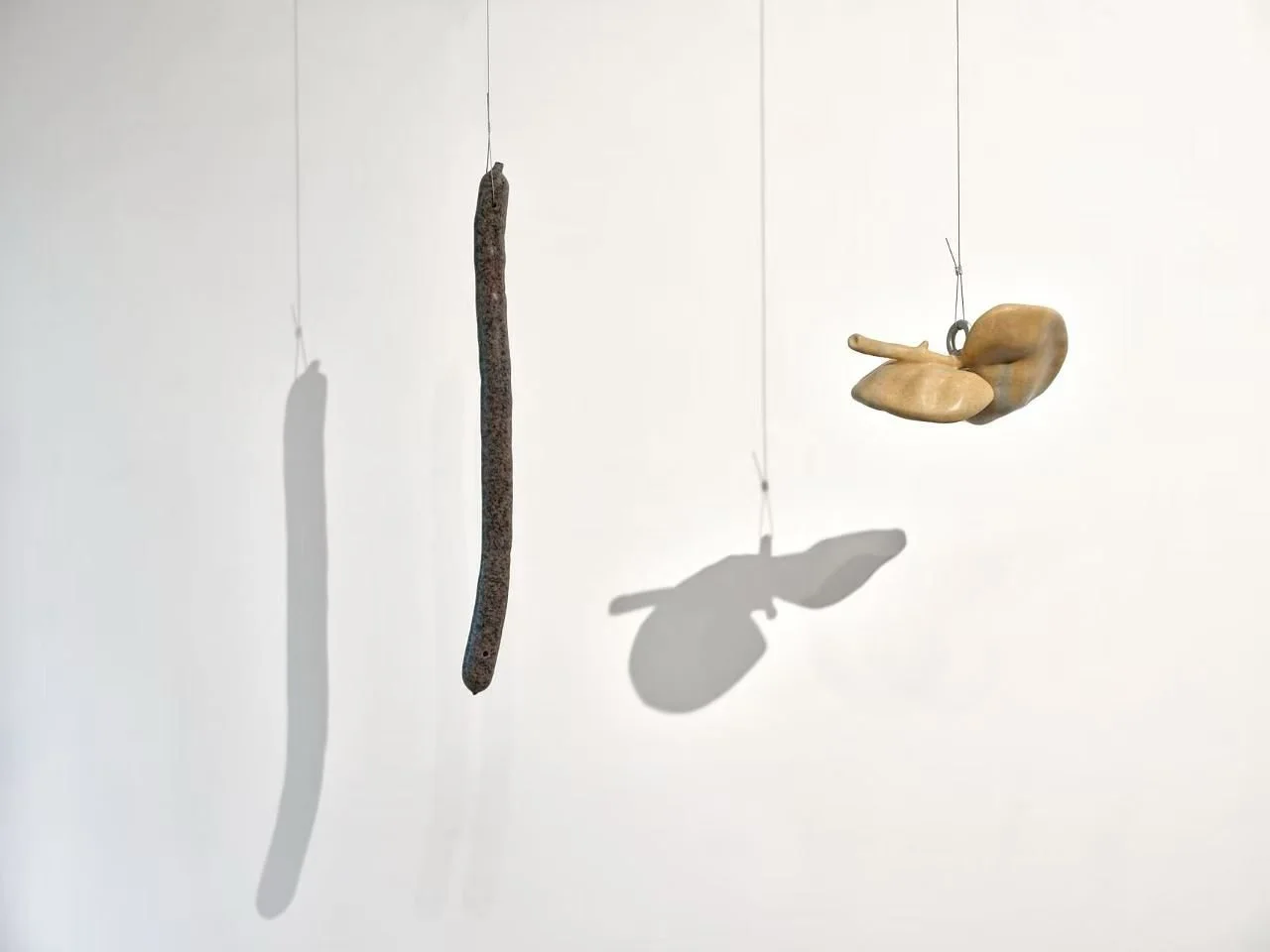
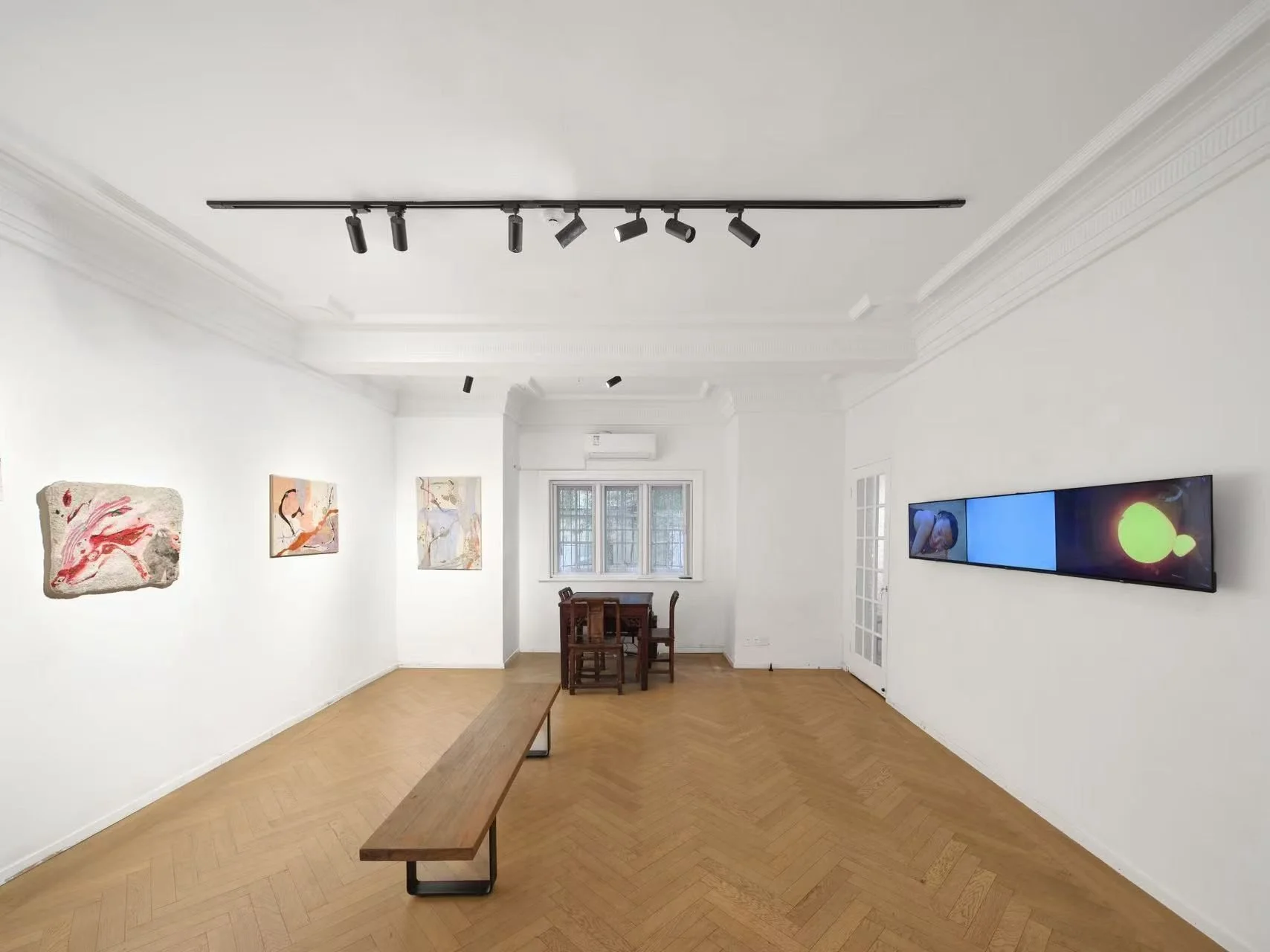
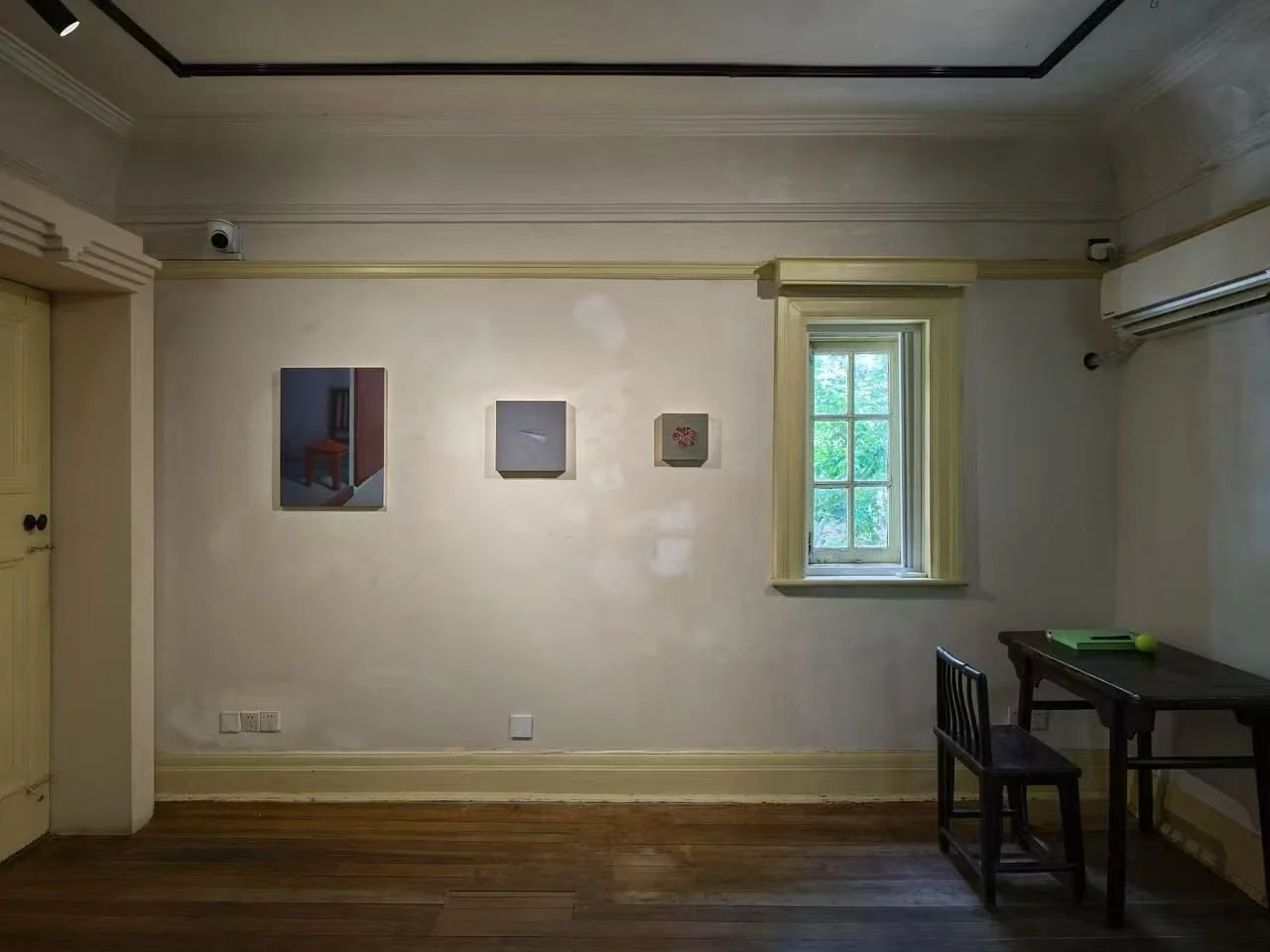
The exhibition After Throwing does not intend to narrate a coming-of-age story in which the act of throwing is completed. Instead, it attends to the aftereffects of the action: the ball has already left the hand, yet the body has not withdrawn its gaze, and the breath has not yet settled. Here, “after” does not point toward progress, nor does it lead to a coherent sense of completion. It allows for pause, repetition, withdrawal, and incompletion. It allows dignity to emerge not from transcendence, but from an honest confrontation with one’s own divided condition. You are invited to enter this interval, one that resists being subsumed into linear time.
Press Release: